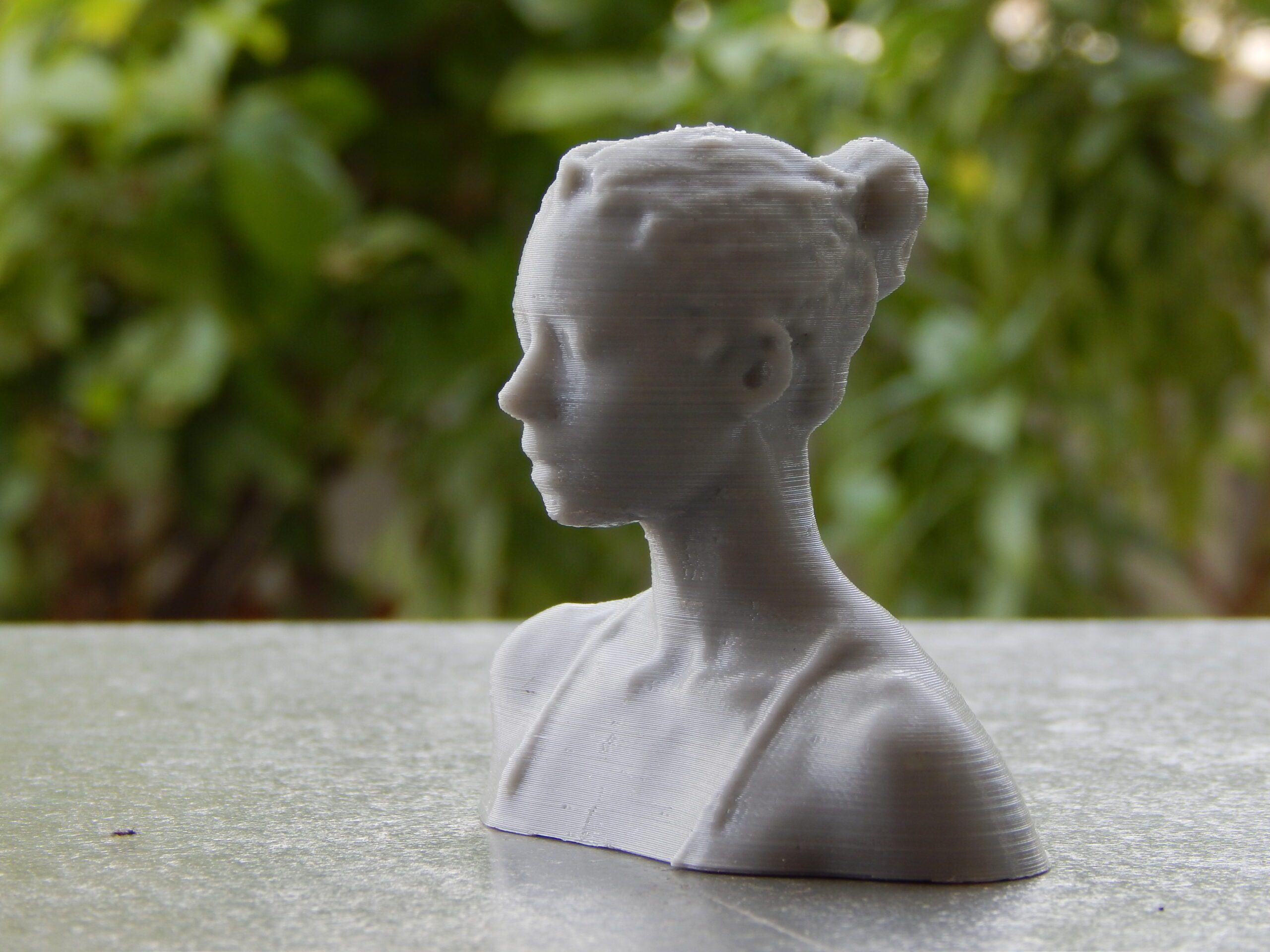
3D printing, also known as additive manufacturing, is a revolutionary technology that enables the creation of three-dimensional objects layer by layer from digital models or computer-aided design (CAD) files. Unlike traditional subtractive manufacturing processes that involve cutting away material from a solid block, 3D printing builds up objects layer by layer using various materials such as plastics, metals, ceramics, and composites.
The process of 3D printing typically involves the following steps:
- Design: The first step in 3D printing is to create a digital model of the object using computer-aided design (CAD) software. The design can also be obtained from existing CAD files or 3D scans of physical objects.
- Slicing: The digital model is sliced into thin horizontal layers using slicing software. This software generates instructions, known as G-code, that dictate the precise movements of the 3D printer’s nozzle or print head to build each layer.
- Printing: The sliced layers are then sent to the 3D printer, which sequentially deposits or solidifies material layer by layer according to the instructions in the G-code. The printer may use various techniques such as extrusion, photopolymerization, or powder fusion to create the object.
- Post-Processing: Once the printing is complete, the object may undergo post-processing steps such as removing support structures, surface finishing, or curing (in the case of photopolymerization) to achieve the desired final appearance and properties.
3D printing offers numerous advantages over traditional manufacturing methods, including:
- Design Freedom: 3D printing allows for the creation of complex geometries and intricate designs that would be difficult or impossible to achieve using traditional manufacturing techniques.
- Rapid Prototyping: 3D printing enables rapid prototyping, allowing designers and engineers to quickly iterate and test their designs before committing to mass production.
- Customization: 3D printing enables on-demand production of customized or personalized products, catering to individual preferences and requirements.
- Reduced Waste: Unlike subtractive manufacturing processes, which generate significant material waste, 3D printing is an additive process that only uses the material necessary to build the object, minimizing waste.
- Supply Chain Efficiency: 3D printing can streamline supply chains by enabling decentralized production, reducing inventory storage costs, and eliminating the need for tooling and molds.
Overall, 3D printing is revolutionizing manufacturing across various industries, from aerospace and automotive to healthcare and consumer goods, by offering unprecedented flexibility, efficiency, and innovation.